

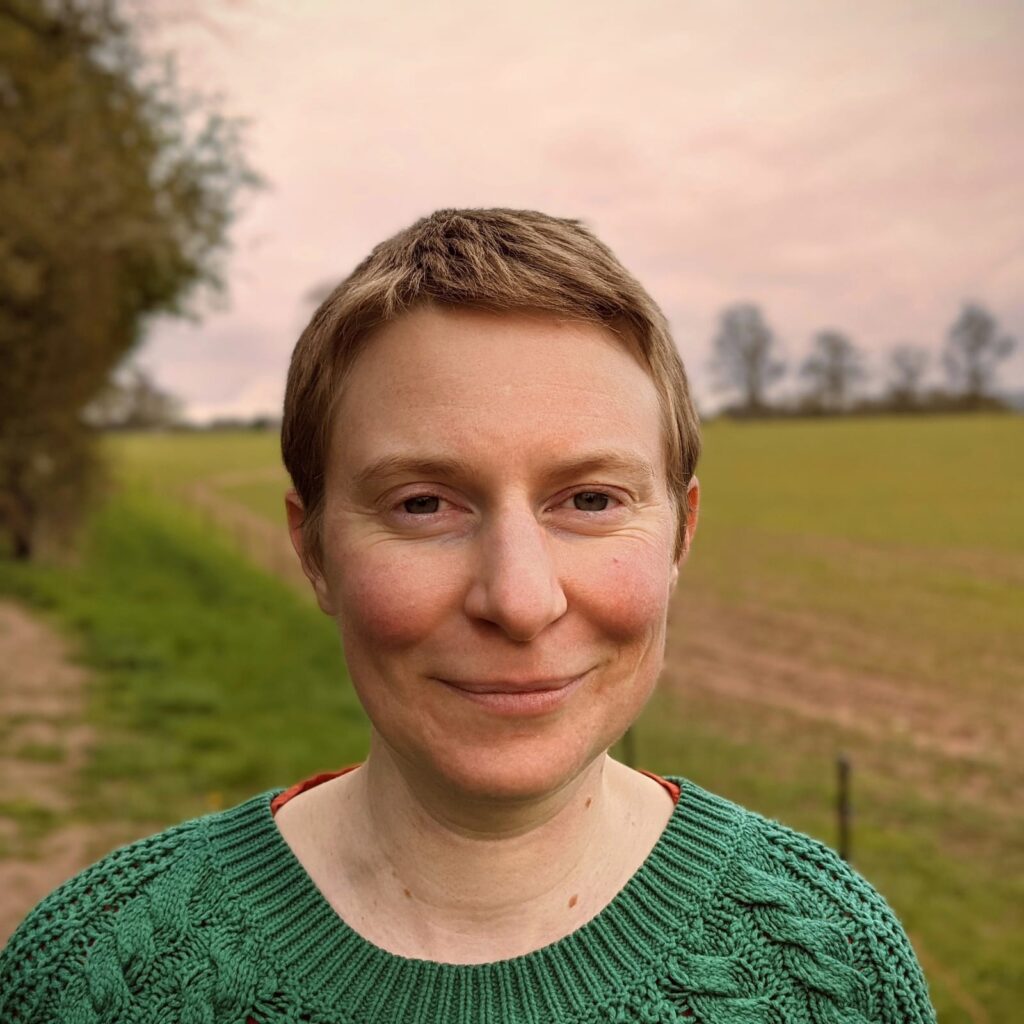
Ellie Finch is based in the UK and has a Postgraduate Diploma in Integrative Counselling and Psychotherapy from the University of East London. She is an Accredited Registered Member of the British Association of Counsellors and Psychotherapists (BACP), a Professional Member of the Association of Counselling and Therapy Online (ACTO), a registered member of Social Work England, and an author of a masters dissertation on engaging children and young people in online mental health services.
Ellie runs her own private practice working with children, young people, parents and families. She has developed an innovative online service engaging children in counselling through video games, such as Minecraft. She provides consultancy and training to professionals and organisations who wish to use video games within their own practice. She is creating a social enterprise to train other practitioners to use video games therapeutically.
You can find out more about Ellie’s experience and work on her website: elliefinch.co.uk
O: First, I want to explain why I think researching the therapeutic potential of video games and digital tools is important for Ukraine but to do so, I’ll have to talk about heavy things.
Since Russia’s full-scale invasion of Ukraine and the start of the ongoing war, Ukrainians are constantly faced with the death of loved ones, constant threats to their lives, family breakdown, and loss of homes, property, and jobs. Thousands of Ukrainians, including minors, have been deported, tortured, and subjected to moral and sexual violence by the Russian occupiers (and I also have personal experience of occupation).
According to the WHO, one in four Ukrainians is at risk of severe mental disorders due to the Russian war.
Millions of Ukrainians (mostly women with children) have been forced to move to other countries, where they often find themselves alone and unable to receive psychological help in their native language.
The number of people with disabilities in Ukraine is growing tremendously and will continue to grow (Ukraine has one of the highest rates of civilian casualties from mines in the world). These people also often find themselves locked in their own (or temporary) homes.
Under these circumstances, not all Ukrainians in need of psychological help have the opportunity to physically visit a mental health professional. Therefore, video games and other digital tools as a means of therapy can be useful for mental health providers, especially with children. But psychological counseling with video games is completely new to Ukraine.
So, to start our conversation, I want to ask: how did you start with video games in counselling? As far as I understand, that was also something new in the UK.
E: Thanks Alex, I’m Elie Finch and I’m a counsellor in the UK. I work with children and young people. I also work with parents as individuals or couples and I work with families. I use Minecraft with all these different constellations of people and it can work really well.
In 2012, I was writing my dissertation for my Masters and it was on engaging young people in online mental health services and I came up with the idea of using Minecraft way back then in 2012. I was even going to start a pilot project but I had my first child and she had some medical complications so that went on hold until Covid-19 happened.
In March 2020 I was working in a young people’s counselling service and suddenly we all had to start working online. It was then that I realised that using Minecraft would work really well to engage some of these young people for whom counselling online wasn’t working. You know, these two little boxes on the screen during a video call just wasn’t working for them. So, I started exploring online and on social media to see if anyone else was using video games in this way in therapy. And I discovered that there were some therapists using video games and also other kind of what’s called ‘geek therapy’, therapists using alternative resources in their work such as anime and cinema and role-playing games but also video games.
I started a peer supervision group of fellow counsellors working together in the same sort of way (using video games). I started that group with professionals from the UK and the US, and we were using video games therapeutically and learning from each other. It was through this I learnt my practice and grew alongside these other practitioners. At the same time some other people in the UK were interested in this and when I started talking about how I was working people wanted to find out more and use it themselves. So, I’ve been training other professionals to use video games like Minecraft therapeutically since then.
What kind of clients are attracted to video games in counselling and what are their most common problems?
I would say it really varies because I don’t know if you know this but maybe some of the people reading might not know… nearly half the population of the world are gamers. So that’s actually huge, something like three billion people game in some way with some kind of games. There are all sorts of types of video games. Minecraft is called a sandbox game which means that you are in this open creative space, you’re not going through levels like you might do in Sonic the Hedgehog or Mario or you’re not in a shooter game like Fortnite or something like that. You’re in a sandbox creative game and I love using sandbox games therapeutically.
All sorts of video games can be used therapeutically but this is the way I use Minecraft because I love it so much in that way. Because there’s so many people who are getting interested in gaming, you can probably find people from all sorts of backgrounds, with all sorts of different challenges and problems, and they might be coming for counselling and might be interested in using video games within their counselling sessions.
In my own private practice, I found this way can really work well to provide an engaging and accessible therapeutic space. I work with a lot of 12- to 16-year-olds, especially neurodivergent children and young people who might be experiencing social anxiety or depression and might find traditional counselling services inaccessible to them. What we’re doing with Minecraft in particular is creating a space that reaches the children where they are in their comfort zone, in a game that they know and love.
What does your therapy session look like?
Well, I make sure from the beginning that my client knows what to expect from the sessions. This is because it will be very different, perhaps, from how they might be playing the game by themselves or with friends. So I want to make sure that their expectations of what we’ll be doing and how we will be doing it are clear and they’re not disappointed. For example, they might be used to playing in a video game in a certain way, because they play it in their leisure time.
What I usually do is I ask what kind of world my client would like to work in. You can create all sorts of different types of worlds in Minecraft and they can be desert worlds or jungle worlds. Your client might have an idea of the kind of world they want to have or they might not. They might want the world to be flat and plain rather than have all the trees and the water and things in them. But either way, I like to create a boundaried space. If it’s a world where there’s lots of trees and things like that, I will create an island world so that it has a kind of boundary around it that contains the work because Minecraft worlds are really, really big! I think they are something like eight times the size of something – in scale. Overwhelming, right? And, if it’s a very plain flat world, I might make a wall for them so that they have a walled space, like a sandtray, with a wall all around it. And we spawn, we’ll arrive in the world within the walled space so that it has that nice containment.
I then usually ask my clients to create a Safe Space in their world. It’s only me and them in the world, or if we want to invite anyone else with their permission. It’s nice and safe and they need to create a Safe Space in that world in whatever way they choose. Sometimes a client might make a house or a castle or a base in a cave or something underwater. And what they create and how they go about making that Safe Space (they might do it on their own or they might invite me to help them), it tells me a lot about them and where they are, and what they might be going through. And then we’ve got that Safe Place to come back to throughout the sessions if we want to give us that sort of grounded place to be.
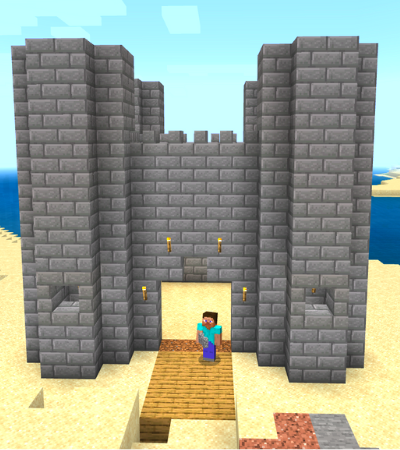
I have a range of activities that I’ve developed that I might use but also we might do lots of free non-directive play where they might have lots of ideas of what they want to do. They might want to go into Survival Mode or Creative or play hide and seek or build something in particular – it depends on what they client wants to do. And with a family I might be more directive and I might suggest more tasks for them to do together with me just watching. Family work tends to be a bit more like that in the way I practise. But there’s so much flexibility there depending on how you as a practitioner practice want to practice, what your therapeutic approach is, and what your clients need.
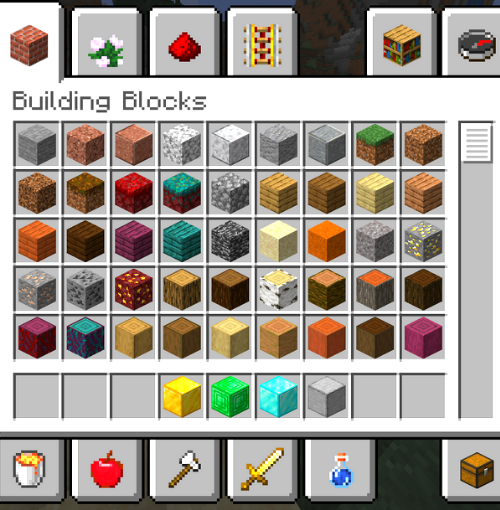
On example of an activity, is the Family Tree. I ask my clients to choose a block or item from their inventory that they feel represents them and ask them to place it in a tree. I then ask them to choose a block or item for each other their family members and place those in the tree. The blocks they choose and the spots they place these on the tree can tell me a lot about the client and their situation. It also leads to interesting conversations.
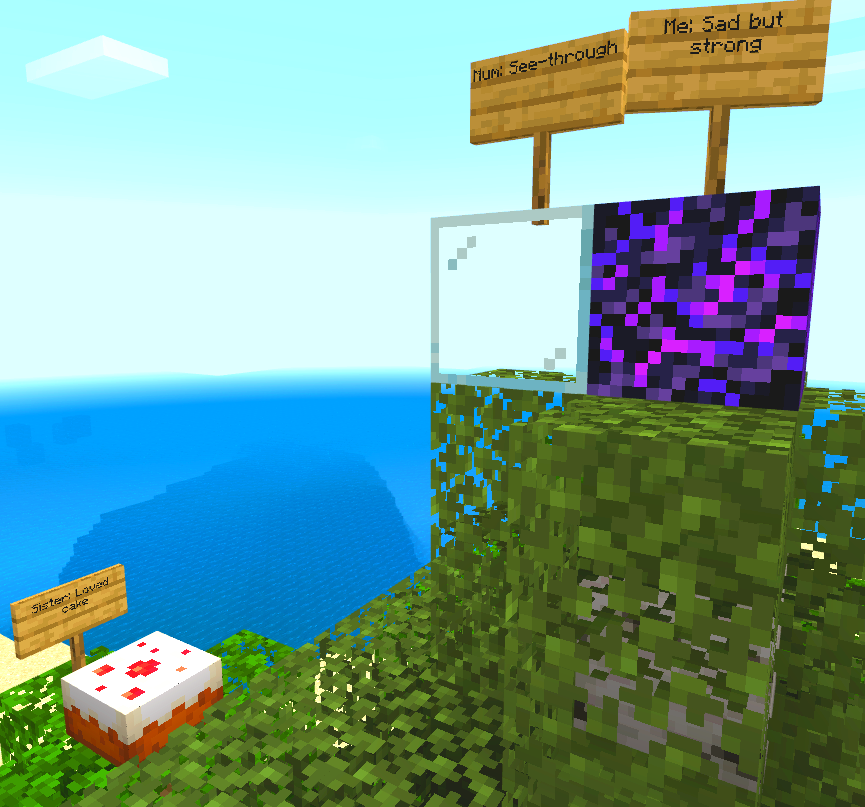
I was touched by the story of Robert, who is trying to make sense of the loss of a family member, which you tell in your article for the BACP. I also read on your blog that you trained a group of counsellors at KEMP Hospice in Kidderminster UK who are going to be integrating Minecraft into their service to support bereaved children and young people.
Could you tell us more about your own experience of working with bereaved children? (Perhaps tips or valuable lessons or just your thoughts on the subject).
Yes, I do. I have worked with bereaved children in Minecraft and trained Hospice counsellors in using Minecraft with children that are bereaved or are potentially going to lose their loved ones. I think Minecraft lends itself really well to be an expressive and maybe a cathartic expressive space.
But there are some things to consider to make sure that you’re doing this in a way that doesn’t traumatise or re-traumatize the children or young people you are working with.
For example, I would think about things like I mentioned earlier about how I work within Minecraft with the different biomes or terrains. You might find that some of these terrains or some of these features in the world might be a trigger for the young people that you’re working with. And you might really want to make sure that you ask them what they need because they might know either consciously or unconsciously what they need. For example, they might need a very plain flat world that doesn’t have things like caves or mountains, which could be very frightening due to claustrophobia or a fear of heights. So just think about the landscape that your client needs and you can create that for them in Minecraft, that’s a beautiful thing about it. But these elements of the game (like caves and mountains) can also be helpful, so you can have a think about those with your clients.
And another important element of Minecraft to know about when you’re working with bereaved children in particular is that you can play the game in Creative Mode where you can’t die. You can fly, you can swim without drowning, and you have all these resources at your fingertips. But you can also play in what’s called Survival Mode which is kind of what it sounds like, which is where you have to find all your resources, make a shelter, battle Monsters to survive and you can die. And that is something to really hold in mind when you’re working around bereavement.
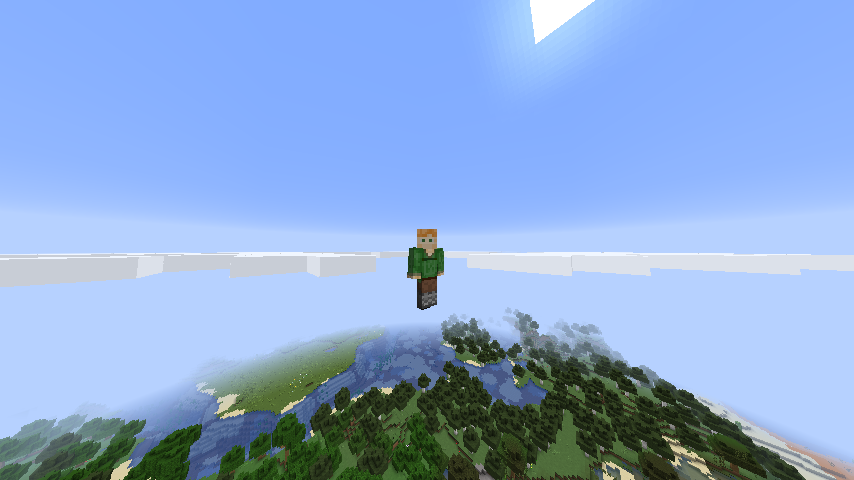
There are also items in the game that provide protection like potions and there’s even an item called the Totem of Undying and, if you’re holding it, you can’t die. These can be very powerful and significant items for a child who is bereaved.
So just to highlight those things are just some of the features of Minecraft that I think can be helpful or something to think about when you’re working with bereaved children.
Have you ever worked with people with disabilities using video games? And if so, could you share your experience with us? Unfortunately, there are a lot of children with disabilities in Ukraine because of the war, so it’s important for us.
Yes, I’ve worked with a lot of neurodivergent children, young people and adults who are interested in using video games in sessions. I think many neurodivergent people are naturally drawn to games like Minecraft due to elements such as how it provides rules and structure, but also some flexibility.
In terms of physical disabilities, I would say there are lots of people with disabilities making use of games like SIMS and Second Life to engage with people and also share their experiences around disability and accessibility. For example, creating an avatar with or without your disability for you to play within a game where you can really create that avatar how you want it to be can be potentially very empowering whether you show that disability or not.
And I think there’s more work that can be done within Minecraft itself to represent disability in terms of through the options you have for your character’s appearance and I’m sure they will be thinking of that and including that in time. I think more representation of disability needs to be done within games. But I’m also thinking about how someone might be able to free themselves from their disability within a game and that might be empowering too.
And there’s also, I don’t know if you’ve come across the adaptive controllers that exist now? So Xbox have released an adaptive controller that can work with Xbox. Therefore, if you are playing Minecraft on an Xbox, that can be a useful tool if you are needing something to help you to use the controls because of your disability.
In your article for Counselling Directory, you mentioned a book “A Boy Made of Blocks” by Keith Stuart, about a father who tries to relate with his little autistic son through Minecraft. From “Digital Play Therapy. A Clinician’s Guide to Comfort and Competence” by Jessica Stone (Routledge, 2022) I discovered that so many autistic persons like Minecraft and many servers like Autcraft do exist. I also saw the presentation you did at the 4th Autism and Systemic Practice Conference 2023. Could you tell us more about your experience with autistic people in Minecraft?
The majority of my clients are neurodivergent, autistic or diagnosed with ADHD, a lot of the children and young people but also the adults couples and families I work with. There are usually one or more members of the families and couples that I work with that are neurodivergent.
I think just providing counselling through a game like Minecraft is very appealing to neurodivergent people. Just by using this resource in itself you’re providing an accessible, potentially very accessible, space for neurodivergent clients, including autistic people. And I think that’s because of factors like Minecraft has these kind of rules and structure within the game but there’s so much flexibility and creativity and I think that appeals to neurodivergent minds.
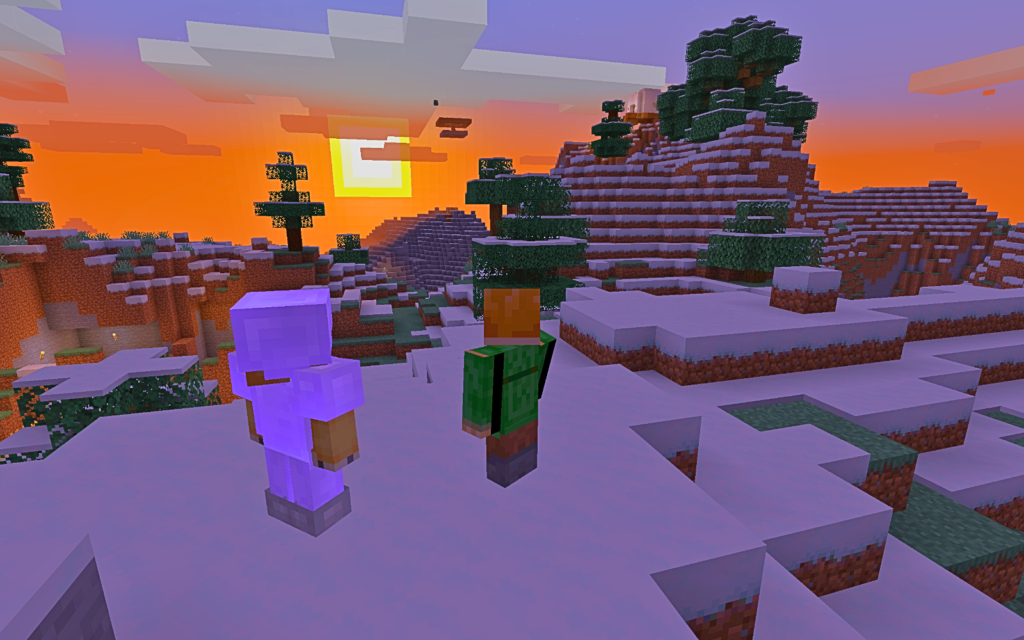
And also you can make mistakes in the game, it’s okay! You can break something or blow something up and it’s okay to do that. You can even save copies of your world and go back to a previous world if you want to. And also there’s so much within Minecraft in terms of coding and being creative but also using it as ‘I’m going to survive the night and battle monsters and keep myself safe’. There’s so many different ways that you can use the game, that I think it appeals to lots of different interests that neurodivergent people can have. And I think, it also can really help with reducing anxiety and can be used in that kind of mindful anxiety reducing way. I mean, for example, I just absolutely really love watching a Minecraft sunset or sunrise. You can have that kind of moment when you might not actually be able to get outside in real life, but you can be in the game and experience a sort of natural day cycle and I think that can be very calming.
How do you assess the risks and fears of video games (which are of great concern to parents), such as gaming addiction, violence or aggressive behaviour, a sedentary lifestyle, or the inability to communicate with “real” people due to a passion for video games?
I like that you put “real” in inverted commas here. Because actually I think you know people do communicate with real people through video games and I think sometimes parents can be surprised by the fact their children are having an actual real connection with friends and, in my case, with their therapist through a video game.
There’s a Mental Health Researcher called Dr Natalie Coyle and she writes about how we don’t say that a depressed person who spends all day in a bed is addicted to their bed, right? We say “they’re depressed” and that’s what they’re doing to cope with their depression. So why do we say that people who might be using video games as a coping mechanism or a way of expressing their mental health problems are addicted to video games? It might be that this is just their way of coping with their difficult challenges, right? And that’s why they might be using it a lot or using it in a way that seems quite extreme. I really like this different way of looking at addiction and video games I find that really helpful.
Here’s the link to where Dr Coyle writes about this concept about the bed. It was a researcher called Dr Kelli Dunlap that brought this concept to my attention.
Another clinician and researcher that writes well about this topic is Catherine Knibbs. She writes about screens and attachment in relation to children and mental health in this book: ‘Children, Technology and Healthy Development: How to Help Kids be Safe and Thrive Online. I would really recommend reading this book as it gives balanced and thoughtful insights into navigating the online world with children’s safety in mind.
I like how Esports professionals talk about needing to look after your body, eat well, take breaks etc as your body is your instrument to being able to play videogames. I think this mindset can help children and young people create a healthy lifestyle in which videogaming is a part.
Videogames, especially since Covid, have become a way in which many people socialise and chose to spend their leisure time. Sometimes it’s hard for parents to see videogames in this way as they might not use them this way themselves. Supporting parents to see the positive sides of gaming in their children’s lives can be really helpful.
I’ve been lucky, because I have private practice, because parents who come to me looking for support with their children see the value of using video games already so I don’t have to do a lot to show them the benefits. However, if you are working in an organisation this might be a very new idea to some colleagues.
I think just helping parents to see these points that I’ve talked about; that their children are having real meaningful relationships in these games and obviously you do need to think about security, and protecting children in these online spaces (and I use Minecraft Education which is an edition of Minecraft developed by Microsoft to be used in schools). But if you can do that well and ensure that they’re playing with people that you know are safe, then they are having these meaningful relationships with real friends.
What advice would you give to Ukrainian mental health professionals who want to try out Minecraft or other video games in psychological counseling?
I would say that using video games could be really beneficial to support Ukrainian children and adults who have been traumatised and dispersed across the world by the War. Alex, you’ve talked to me about how you can see this helping children that can only access therapy in their language online. Giving them this really accessible engaging space, like Minecraft, to have their therapy in with the Ukrainian speaking counsellor or psychologist could be really beneficial. Sandbox games like Minecraft are an incredibly expressive space for getting out feelings and having those seen and explored with a therapist.
It’s really important to get appropriate training in using video games to ensure that you’re working competently and safely. And with the safety and security of your clients in mind, for example, you want to ensure you do not communicate directly in the game so that you’re using a safe video platform (or telephone) that you know is providing the safety needed for your client to speak freely about what they’re experiencing. I don’t recommend you use in-game chat or things like that.
And you need to know the location of the game servers as there might be data or their world might be stored on a server that’s outside of the country that perhaps you as a therapist are working in or that they are in as the client. You need to make sure that you know where these servers are and that you’re communicating this information to your clients and getting their informed consent regarding their data. Because video games aren’t made for mental health practitioners to use so we need to take extra care with this. Minecraft, for example, isn’t made for therapists to use but we are using it and it can be really effective. So, it’s about making sure that you work safely within that environment and that you and your clients understand the risks.
And also you might want to think about doing something like I did which is starting a peer supervision group with other practitioners who are using video games so that you can share ideas and information around things like security elements. Or you might consider getting supervision or training from someone who uses video games therapeutically themselves, so you can get that insight from them.
I want to thank you so much for this talk. And I want to thank the British people for standing with Ukraine. And I hope that British and Ukrainian children can play together in a more safe and more peaceful world soon.
Yeah, absolutely. Thank you, Alex.
Thanks, Ellie!